
- +33 3 28 63 37 50
- contact@lamanage-dunkerque.com
- Port de Dunkerque BP 2-122 - Môle 4 59376 DUNKERQUE CEDEX - FRANCE
- (FRANCAIS)
Le Lamanage du port de dunkerque
THE LINEMAN'S PROFESSION
(The Lamanage activity in Dunkerque)
Mooring operations are under the control of the marine pilot and the ship’s captain.
Mooring operations in Dunkirk vary depending on the configuration of the ship’s berth.
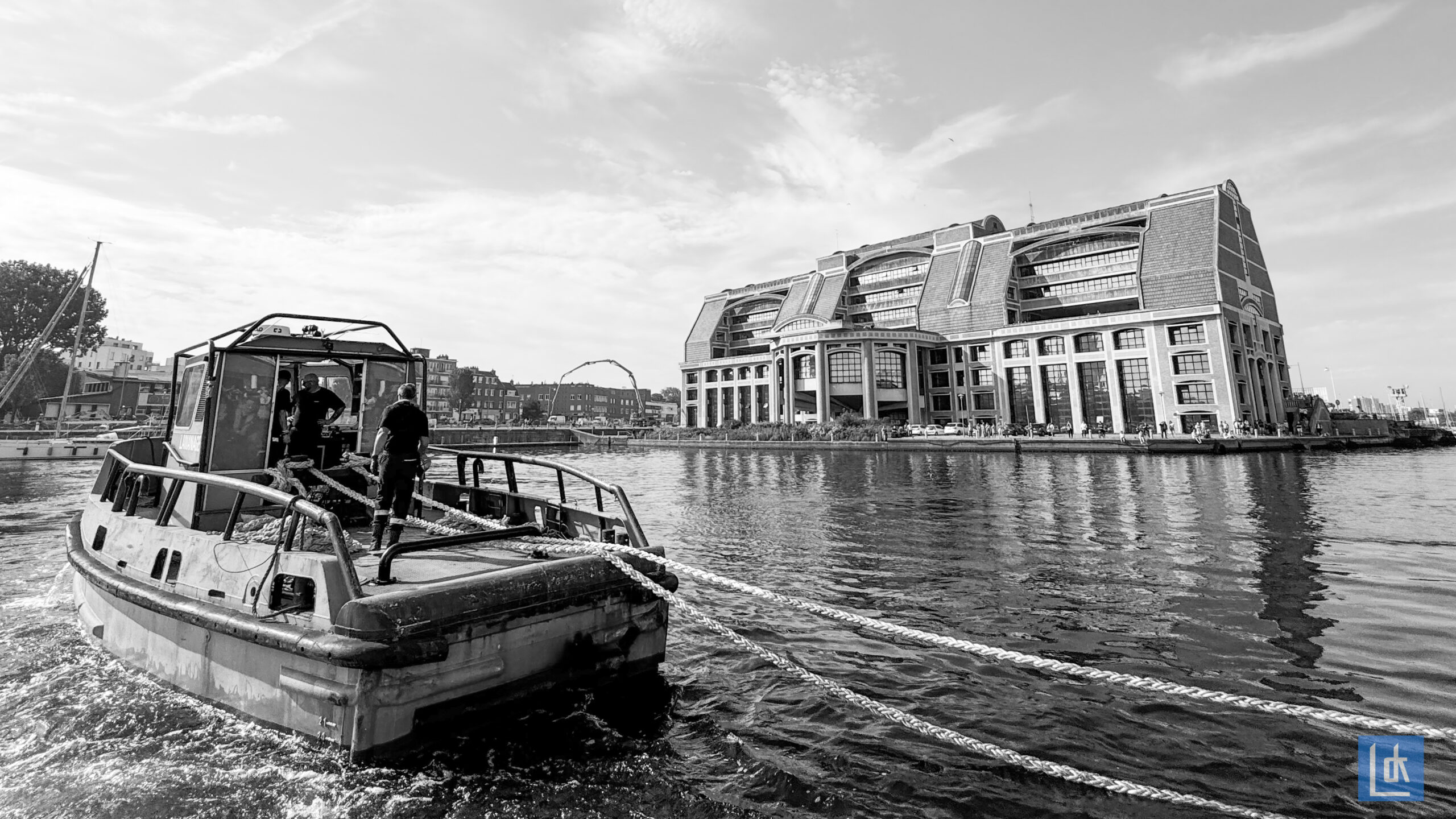
PFor standard operations, the crew members on board the ship send the mooring crew a heaving line to the dockside, which serves as a connection between the ship and the shore. This allows the ship’s mooring lines to be hauled in. The lines can be taken in by hand or with the aid of a mooring truck.
For special operations, at a jetty or dolphin, the mooring crew uses a launch to take the lines alongside the ship and bring them to the dolphin or jetty.
These operations, regardless of the type of quay, are repeated as many times as necessary depending on the ship’s mooring configuration, with a minimum of 4 lines and up to 20 lines depending on the type of vessel.
A LITTLE HISTORY
Formerly, the term “pilot-lineman” was used; it was a decree of 1806 under Napoleon that separated the two professions.
The name “lineman” comes from the Old French “laman,” itself derived from the Dutch “lootsman,” meaning the man of the sounding line (for measuring water depth).
At the beginning of the 20th century, linemen would “do the dirty work,” going as far as Calais to offer their services to ships at anchor. After numerous fatal accidents caused by races between independent linemen in their small boats to be the first to reach a ship and serve it, the first agreement was organized among all the linemen. Thus, each in turn, the linemen could offer their services to ships. This system remained in place until 1945.
After the Second World War, in 1947, two former dockworkers were asked to reorganize the docking service. This led to the formation of the first docking association, which was structured with 24 dockworkers.
In 1970, the 24 dockworkers of the association decided to create the Dunkerque Dockworkers Cooperative Society, as we know it today.
With this structure in place, the cooperative invested in its first steel launch in 1975, then in new operating facilities at Pier 4 in Dunkerque in 1979, and in 1993 in the construction of its first aluminum launches and mooring line trucks.
The Lineman...
The mooring man is a specialized and qualified seafarer, holding a Master Mariner’s Certificate 200 (STCW2015) as well as a 250kW engine operator’s certificate.
Maintaining these certificates requires regular sea service and the renewal of safety certifications (CFBS, Medical 1, CRO).
To work, mooring men must, since 2025, also hold the professional mooring man qualification certificate (registered with the National Register of Professional Certifications).
In addition to certificates and other qualifications, upon joining the force, the mooring man undergoes 24 months of training alongside an experienced mooring man. This is how they acquire all the local technical and safety knowledge specific to the port of Dunkerque.
LAMANAGE IS ALSO...
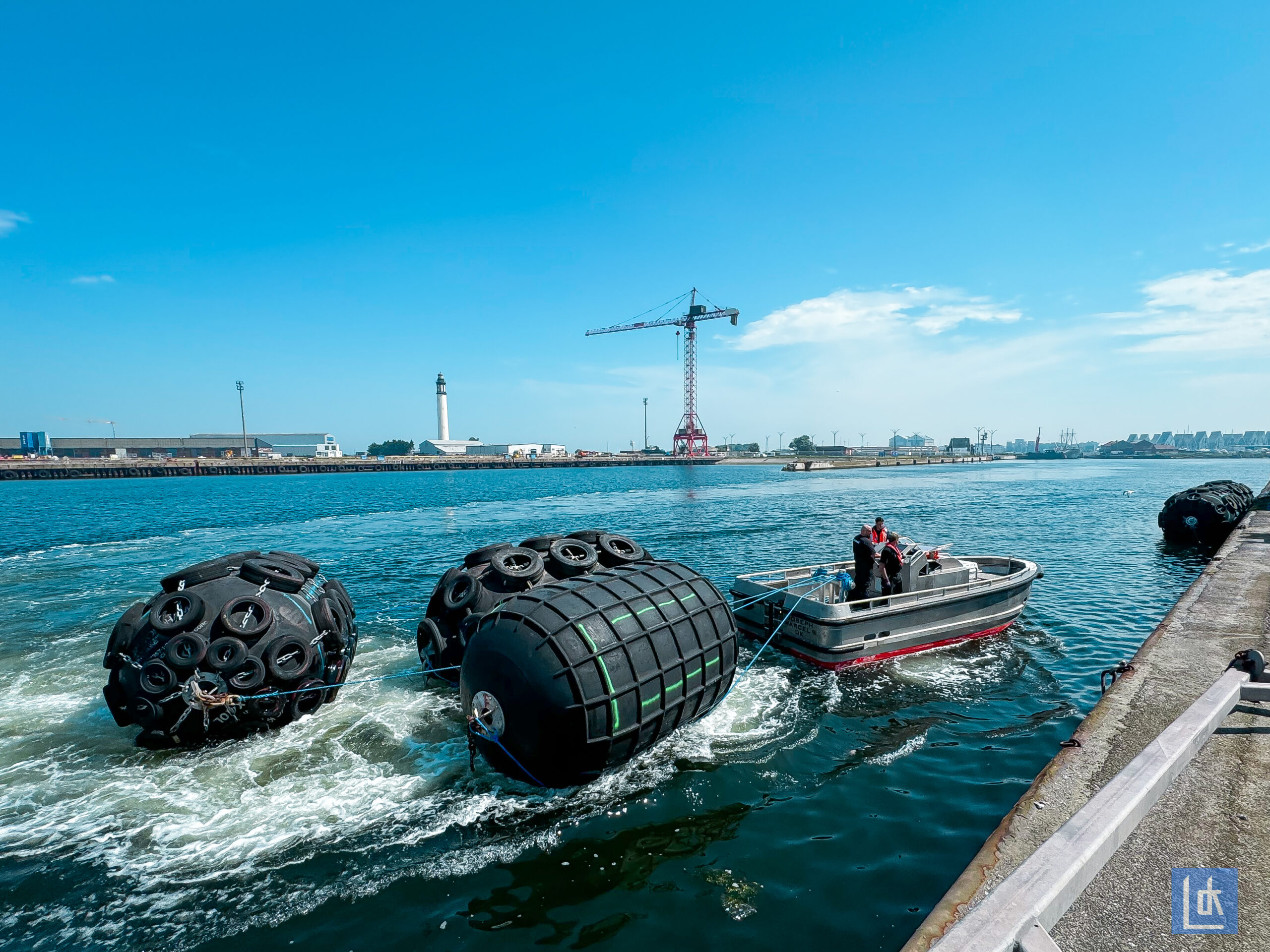
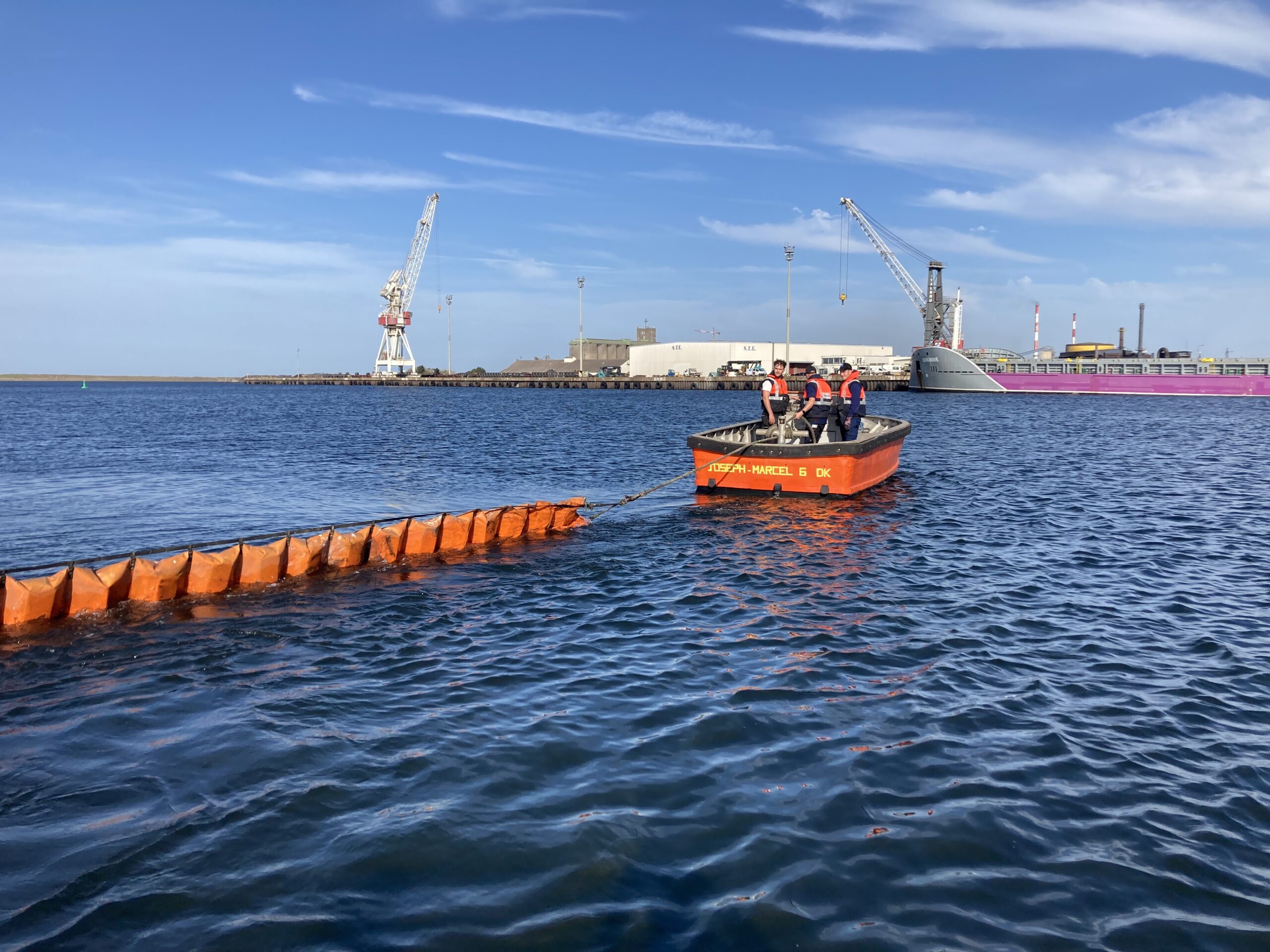
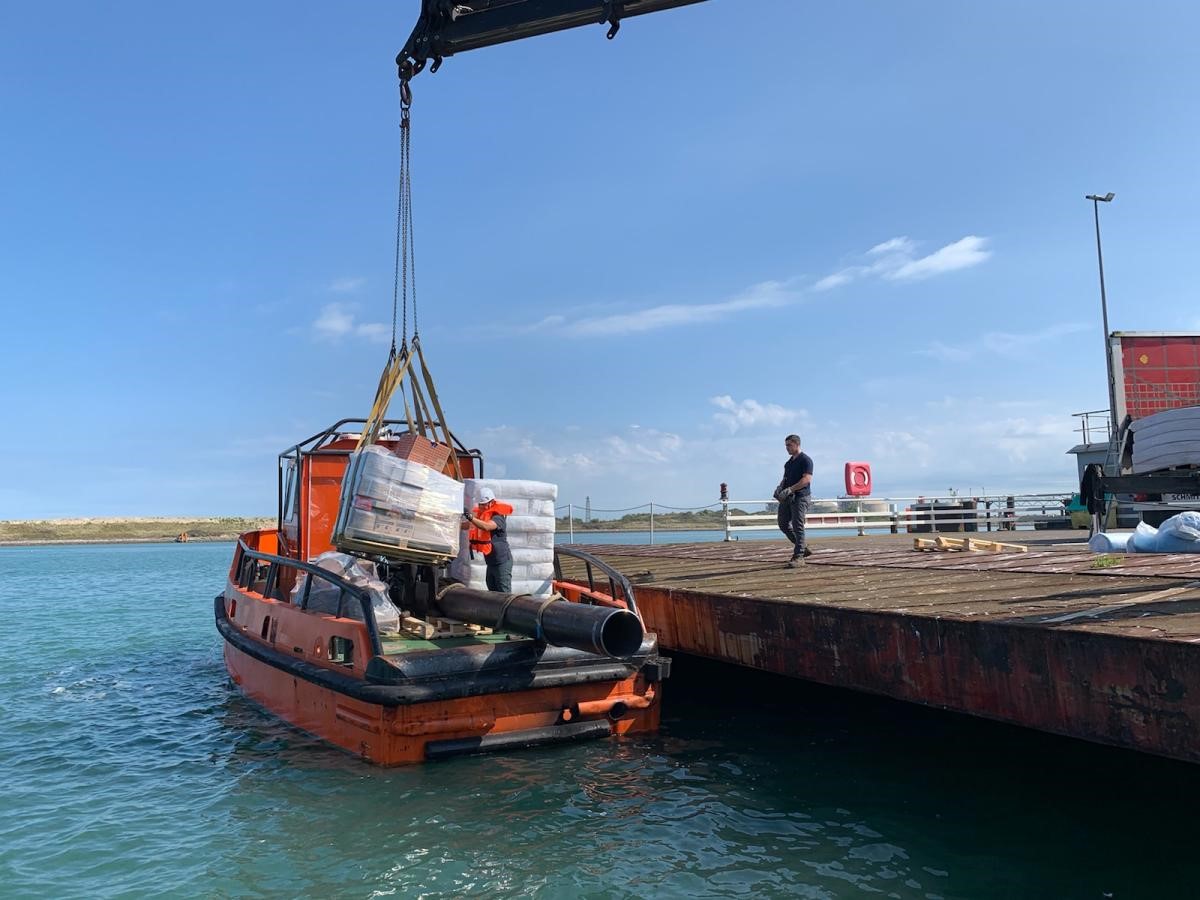
In addition to the strict mooring operations that apply to all types of vessels, mooring services contribute to port safety (ships, infrastructure, waterways, and personnel), pollution control in waterways, and provide various services to ships, such as rigging provision, crew reinforcement, transport of equipment or personnel, provision of nautical equipment with crew for surveying, underwater work, infrastructure work, deployment of fenders on ships or at the quayside, and small-scale towing.
Mooring services also provide fire assistance at the Dunkerque LNG terminal (transporting emergency and fire services by launch to the site).
Highly committed to the safety of personnel and equipment, the company equips all its staff with individual and collective protective equipment suitable for working in a maritime environment.